
In an age where translation apps can instantly convert one language to another at the touch of a button, it is easy to wonder whether learning languages is still essential. I firmly believe, and see every day at Richmond House, that it absolutely is. What translation apps cannot do is interpret nuance, understand context, appreciate humour, or connect meaningfully with another culture. Language is more than vocabulary, it is identity, heritage, and human connection.
At Richmond House, our approach goes far deeper than simply learning words and phrases. We give children the opportunity to explore the history, culture, and traditions that sit behind the language. This is the foundation of developing true global citizens – young people who can communicate with empathy, curiosity, and respect.
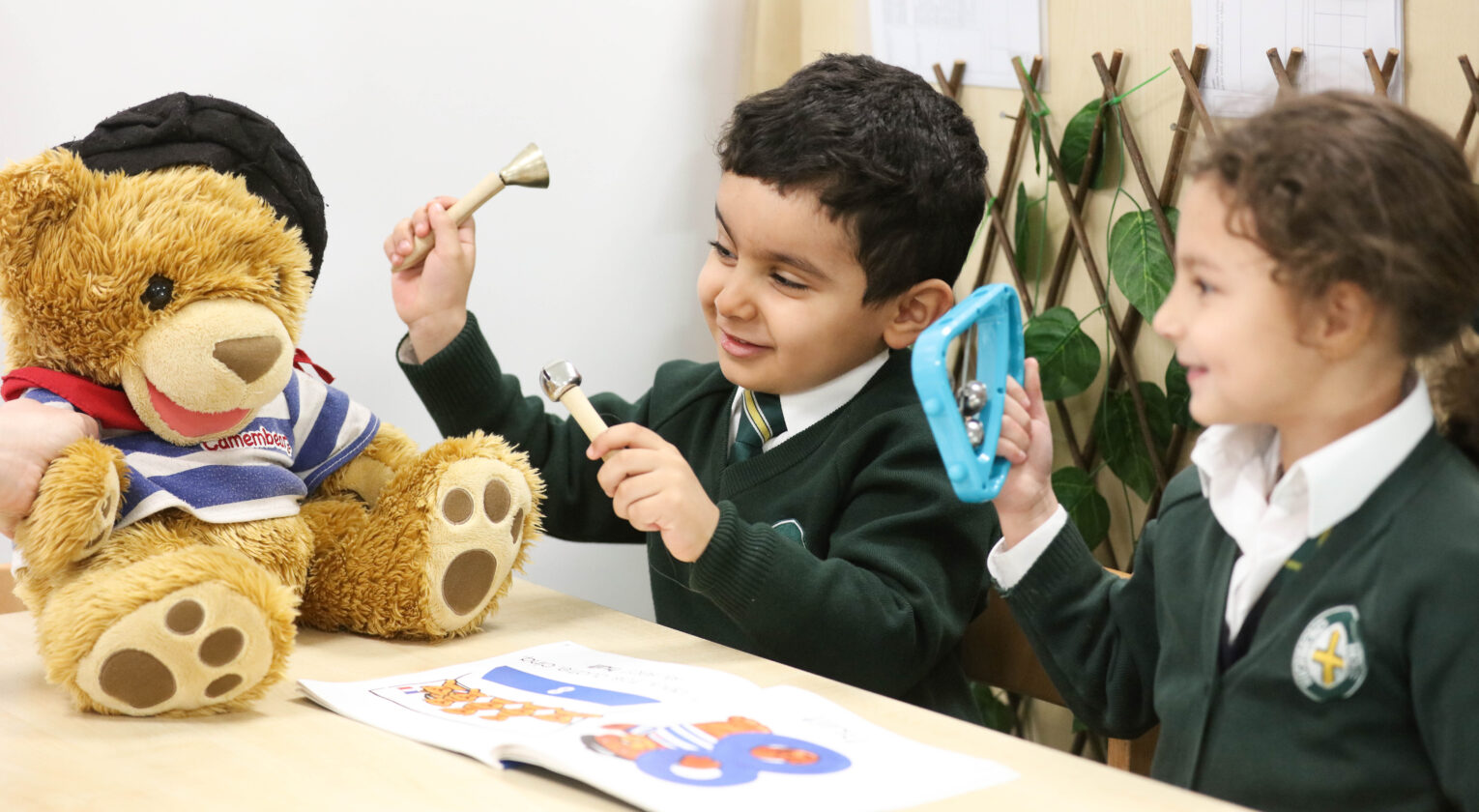
This ethos begins in EYFS, where our youngest learners follow a themed approach each half-term, exploring different countries, cultures, and languages. Their natural curiosity and openness make this a joyful and meaningful introduction to the wider world.
As pupils progress through school, the richness of their linguistic learning grows. The WoLLoW programme (World of Languages, Languages of the World) offers international and cultural perspectives woven across subjects, and this evolving language journey culminates in our annual Paris trip, where pupils have the opportunity to bring their French learning into real-world situations, from navigating cafés and shops to experiencing Parisian culture first-hand.
Learning languages develops memory, strengthens problem-solving skills, enhances listening, and encourages flexible, creative thinking. Most importantly, it opens doors – to friendships, to opportunities, and to a world that becomes a little bigger and a little more connected.
At Richmond House, we are not just teaching children how to speak, we are teaching them how to understand.